
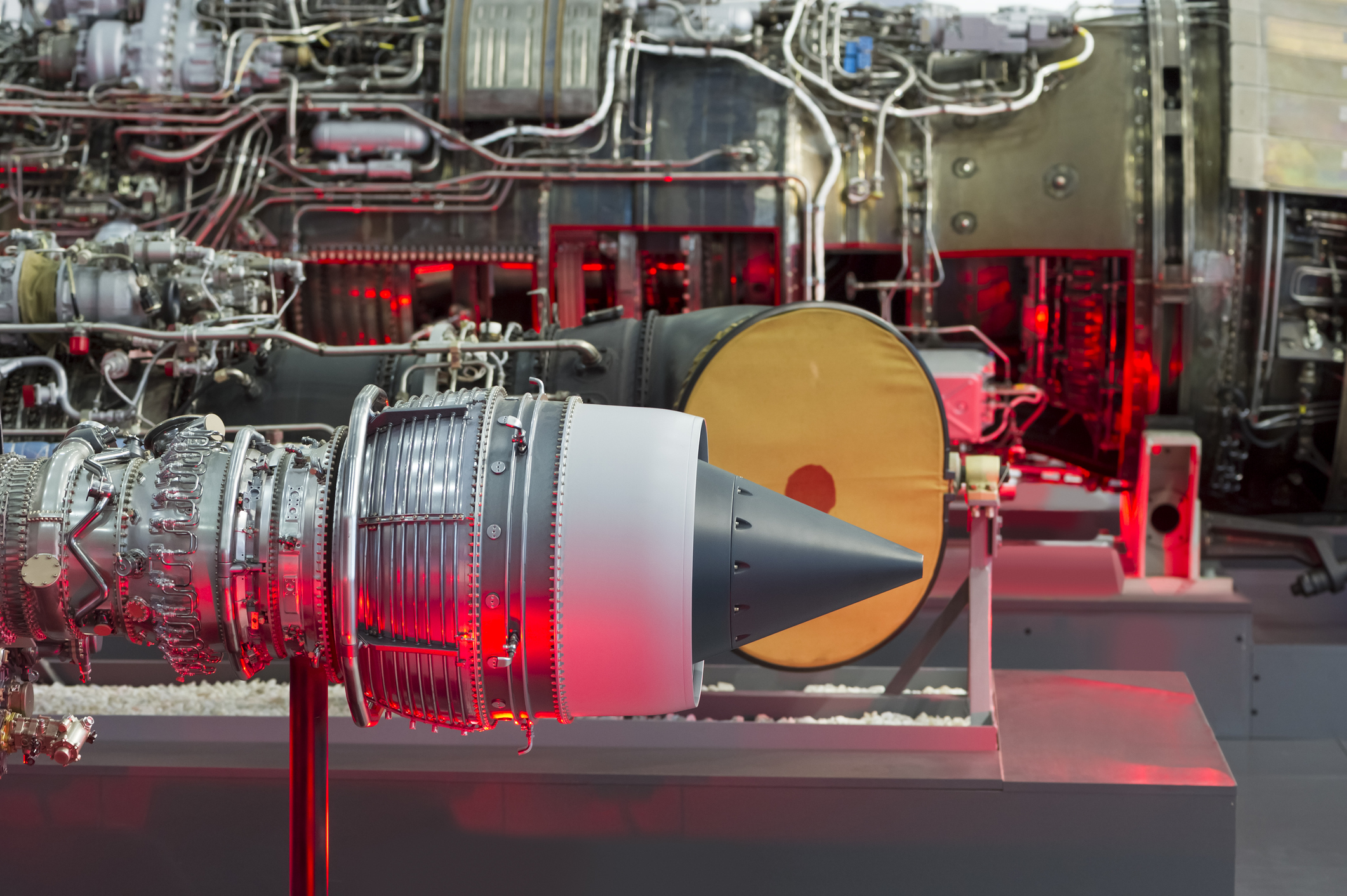
DFARS-Compliant Military Washers: Made in USA Since 1919
What DFARS Compliance Means for Military Washers The Defense Federal Acquisition Regulation Supplement, or DFARS, governs how defense contractors and their suppliers source materials, manage data, and document compliance. For military washers and...
100+ Years of Precision: Why Engineers Trust Our Custom Aluminum Washers
A 100+ Year Legacy in Custom Metal Washers Engineering trust is built over decades, not quarters. We have manufactured precision washers continuously since 1919, our full company history covers five generations of family ownership, multiple major...
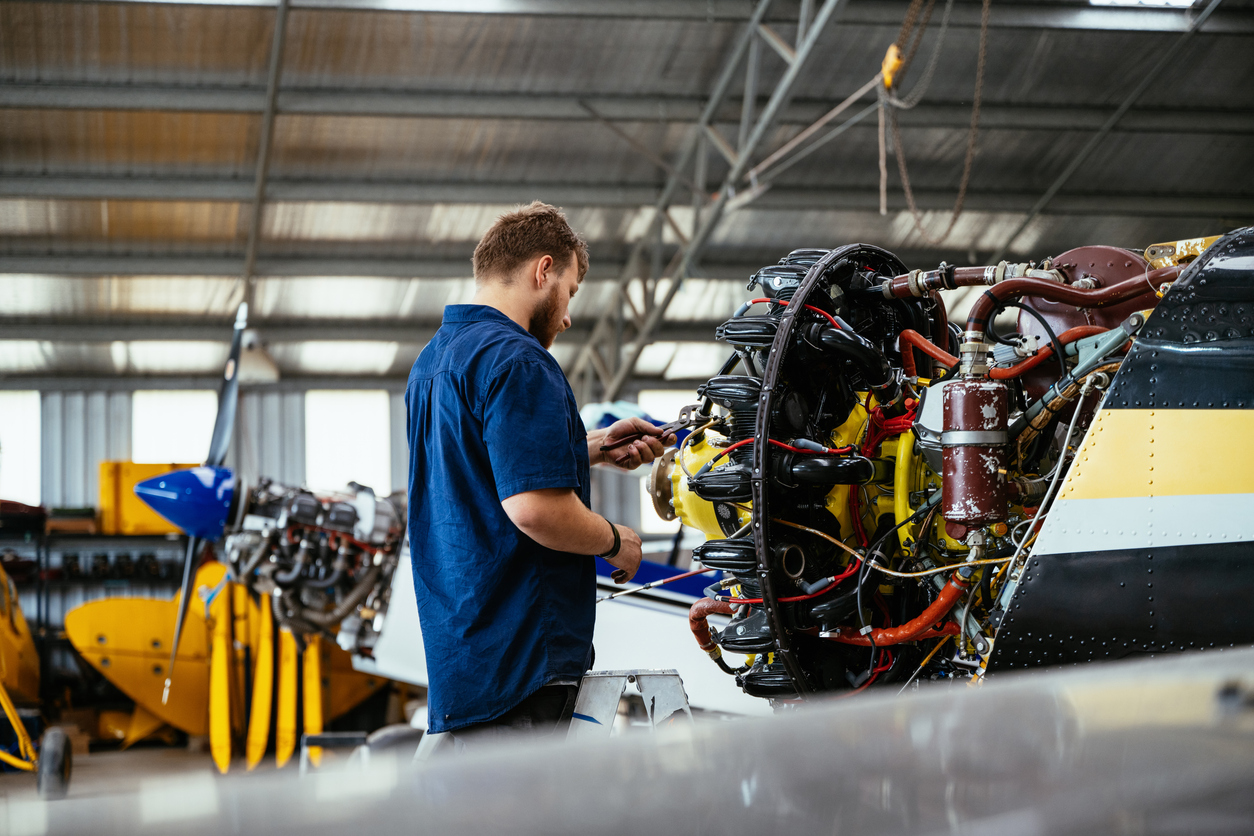
The Complete Guide to Ordering AS9100-Certified Aerospace Fasteners
What AS9100 Certification Means for an Aerospace Fastener AS9100 is the aerospace industry quality management standard, built on ISO 9001 and incorporating substantial additions for risk management, configuration control, first-article inspection,...
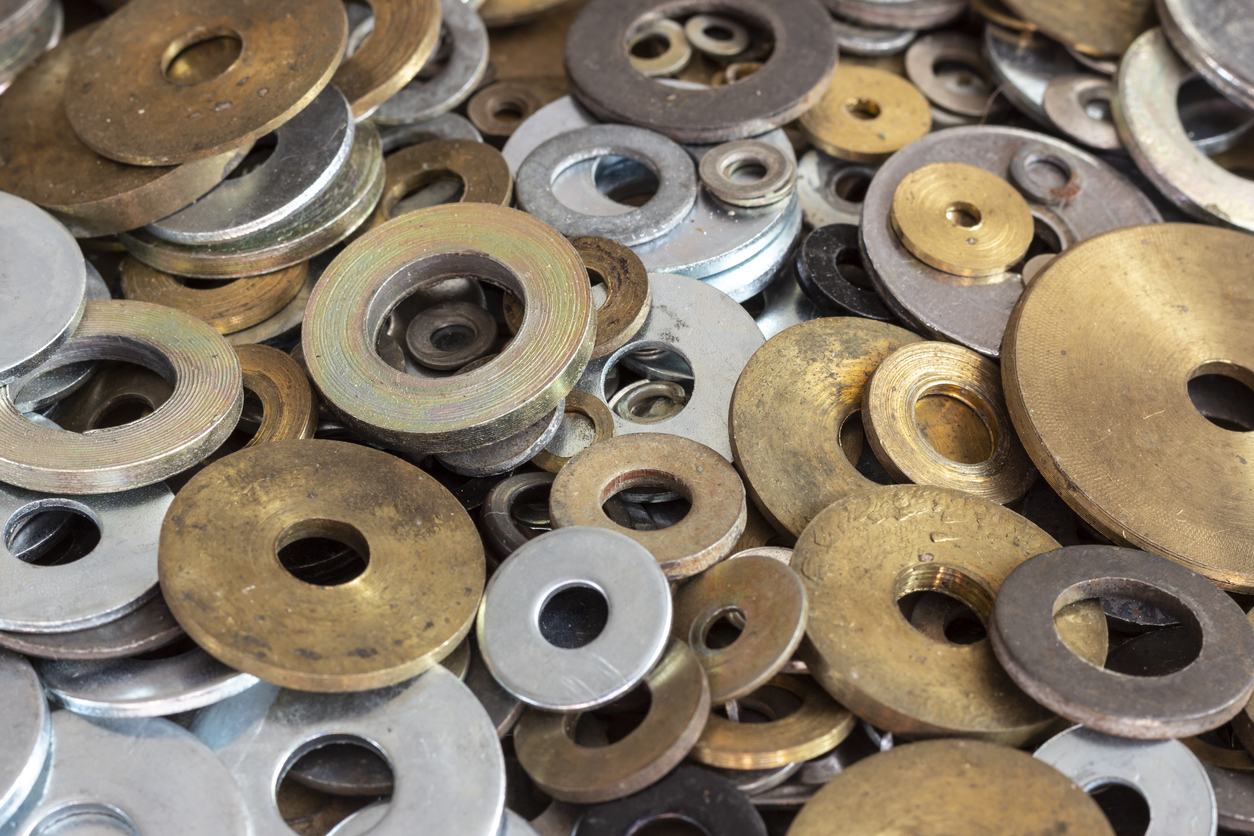
Custom vs. Standard Flat Washers for High-Volume Orders
When Standard Flat Washers Make Sense Standard flat washers are not the wrong answer for every application. They are the right answer when your design happens to match a common specification, your tolerances are forgiving, and your material...
Partner With America’s Premier Shim Washer Manufacturer
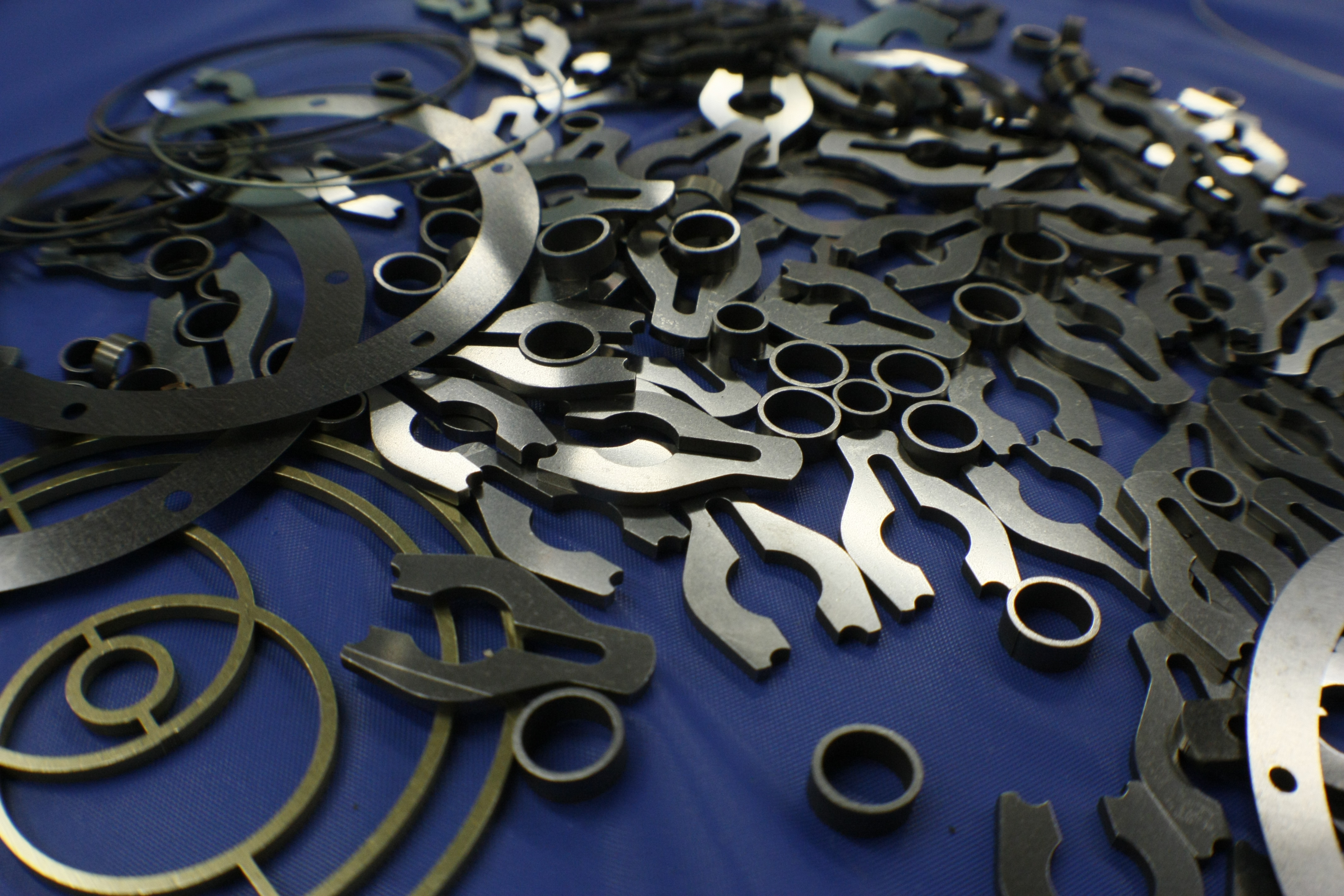
What Sets Brewster Washers Apart A shim washer is a deceptively simple part. A flat ring of metal or plastic, dimensioned to fill a gap or distribute a load. The simplicity hides the difficulty: holding a thickness tolerance of .0005 inch across a...
Military Washer Materials: Specifications for Extreme Conditions
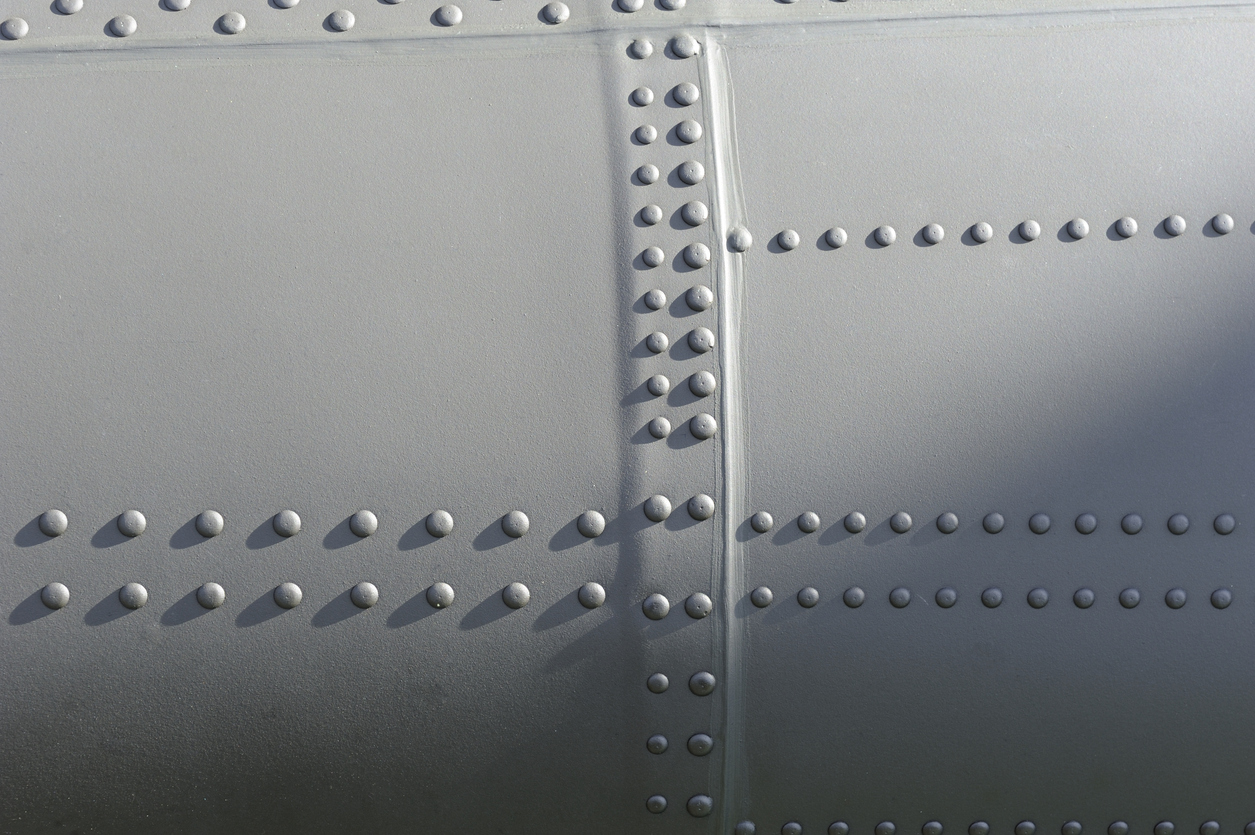
What Defines a Military-Grade Fastener Military fasteners are not commercial parts with a different label. They are engineered components selected, manufactured, and documented to survive operating conditions that would destroy off-the-shelf...
The Critical Role of Washers in Aircraft Safety and Performance
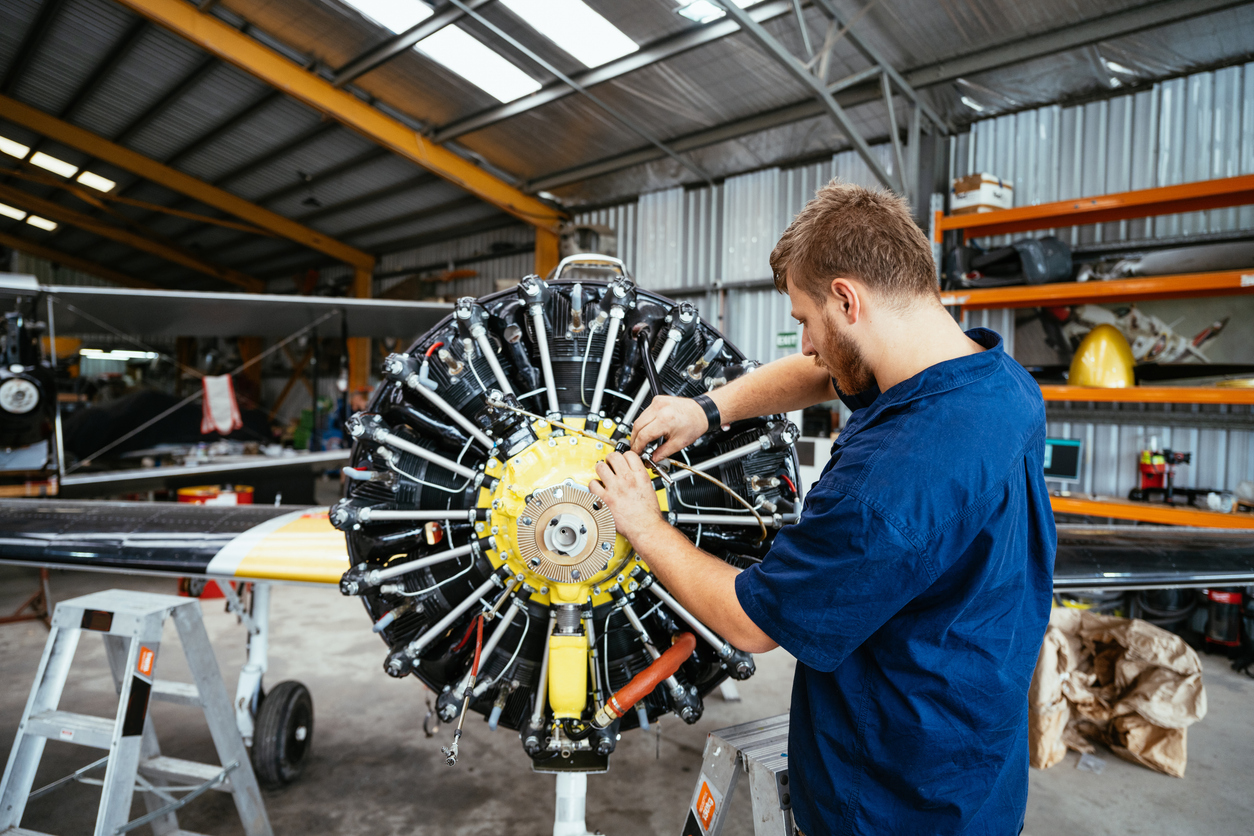
Aircraft washers are mission-critical components where failure carries consequences no engineer can afford to ignore. Every washer installed on a commercial or military aircraft must meet strict certification, material, and dimensional requirements...
How to Specify Custom-Made Washers: A Step-by-Step Engineering Guide
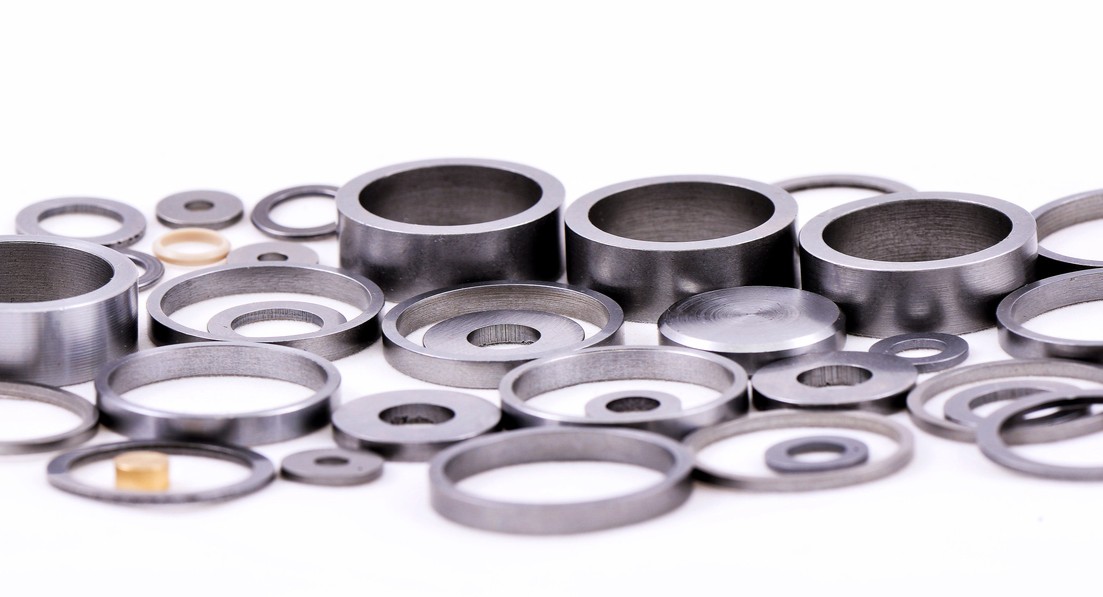
We have been manufacturing custom-made washers since 1919, and the single most common cause of quote delays, production errors, and cost overruns is an incomplete or incorrectly written specification. Engineers who need custom metal washers often...
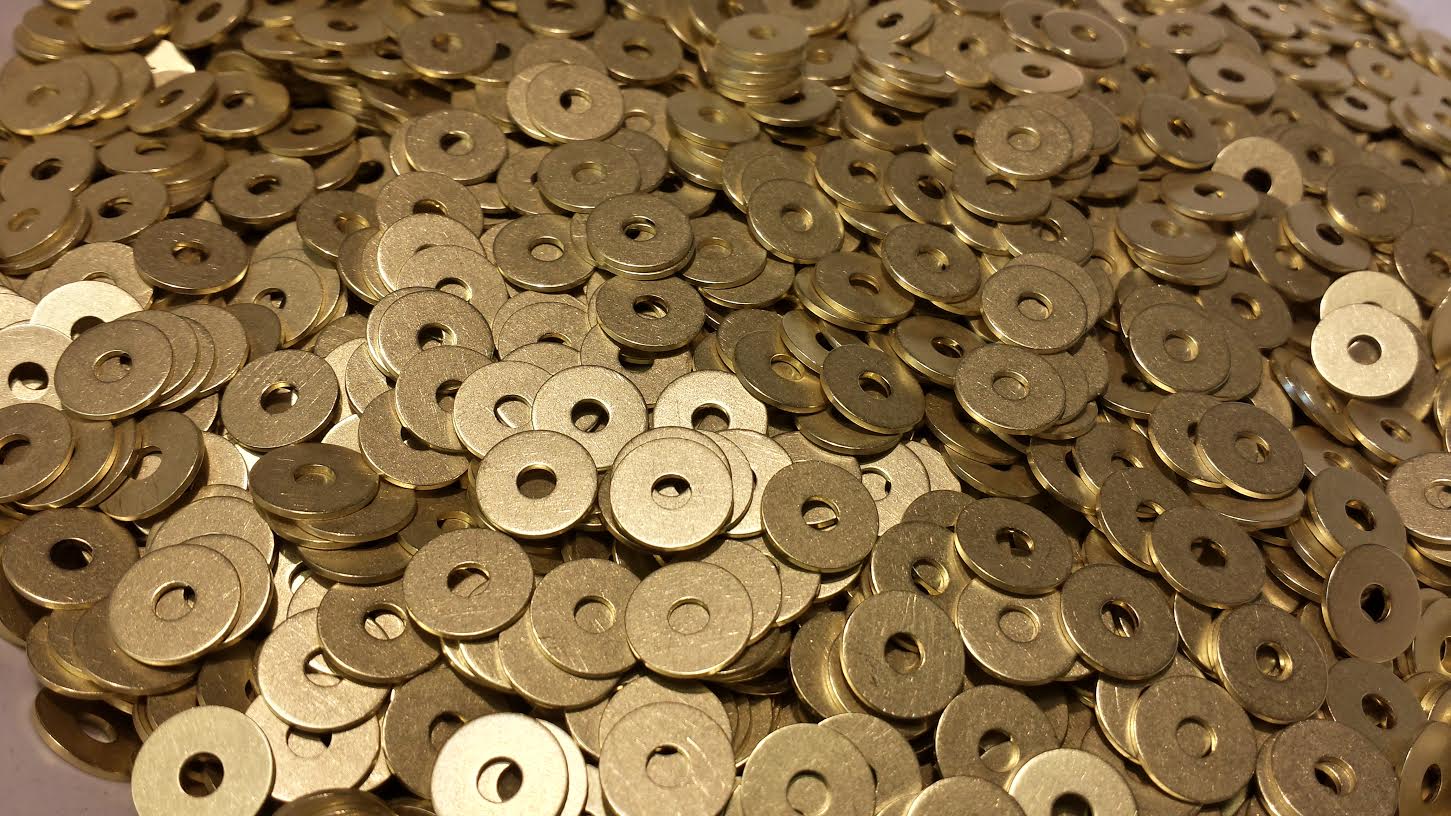
Selecting Custom Brass Washers: Conductivity, Corrosion, and Cost Considerations
Brass is one of the most misunderstood washer materials in precision manufacturing, often overlooked in favor of stainless steel by engineers unfamiliar with its unique combination of electrical conductivity, corrosion resistance, machinability, and...
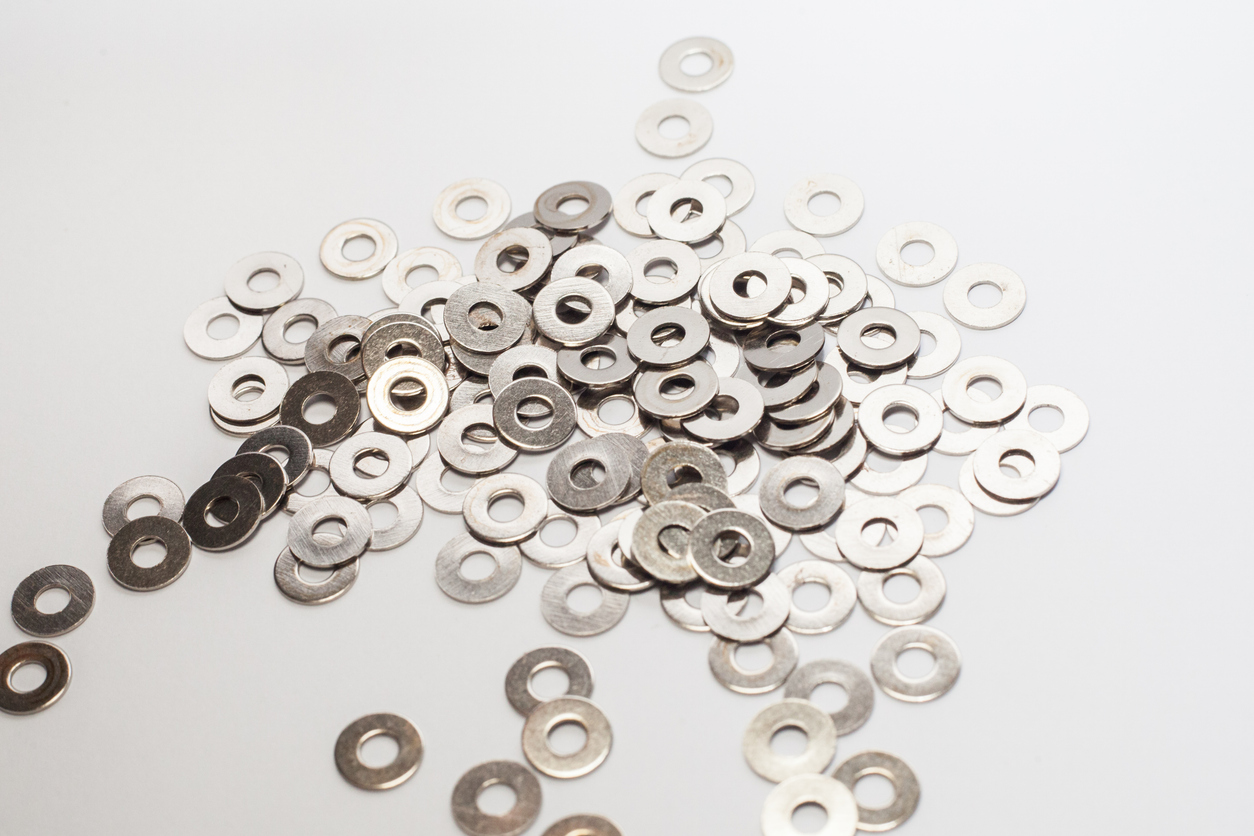
Comparing 304 vs. 316 Custom Stainless Steel Washers for Corrosive Environments
Choosing between 304 and 316 custom stainless steel washers is one of the most common material selection decisions engineers face, and one of the most frequently made incorrectly. Both grades offer excellent corrosion resistance, similar mechanical...